
Greensboro's African American Community Newspaper since 1967
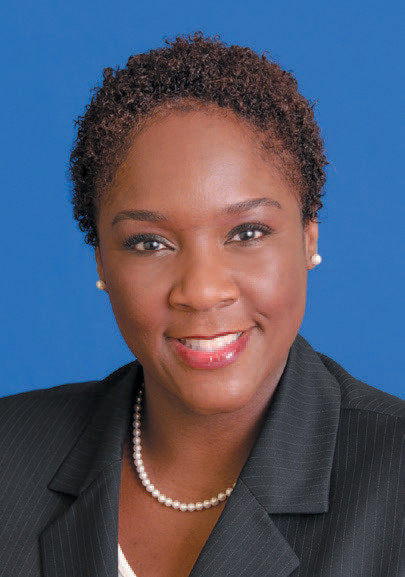 Nannette S. Funderburk, PhD, LPCS
So, what is historical trauma? It is all of the emotional and psychological wounds of a person or generation caused by a traumatic experience. Historical trauma is real and it, possibly, is the reason why you feel like you are not managing yourself or this new normal, into which we have been thrust, well. It also can be the reason why some are responding in ways that seem counterintuitive to the very group to which they belong. There are three ways to view historical trauma.
An example could include the children and parents separated at the US/Mexico border who have been forced to move forward with their lives without connection to their families, without acknowledgement of their pain, nor apology for it.
An example could be the ongoing abuse occurring currently in homes exacerbated by the need to more regularly be at home because of the virus, but is hidden in order to protect the abuser and not cause household embarrassment.
This could show up, for example, as people pleasing the person or group who has power, even when it means acting in ways that create disdain for you from the group to which you belong. This person all the while aggressively speaks against the group to which he or she belongs for being frustrated with the oppressor.
So, what do we do about it? Not surprisingly, there is not a quick answer. First, we must acknowledge the trauma. Acknowledge that you are hurt. Acknowledge that you are not coping well and that this is impacting you differently. Secondly, we must work on understanding the trauma. What actually happened on various levels from your, and others’, perspective? Next, we have to focus on your healing. That may mean simply increasing self-care, but it could also mean seeking therapy or increasing your awareness of the topic and how it has shown up in our society. Finally, we have to release the pain in healthy ways. Healthy ways can be cultural or spiritual healing practices, or social justice causes.
The healing can occur and can thrive, but it has to begin somewhere, and someone has to be first.
The S.E.L. Group, The Social and Emotional Learning Group, is located at 3300 Battleground Ave. Suite 202, Greensboro. Phone 336-285-7173. Email: contact@theselgroup.com and visit: www.theselgroup.com.


